
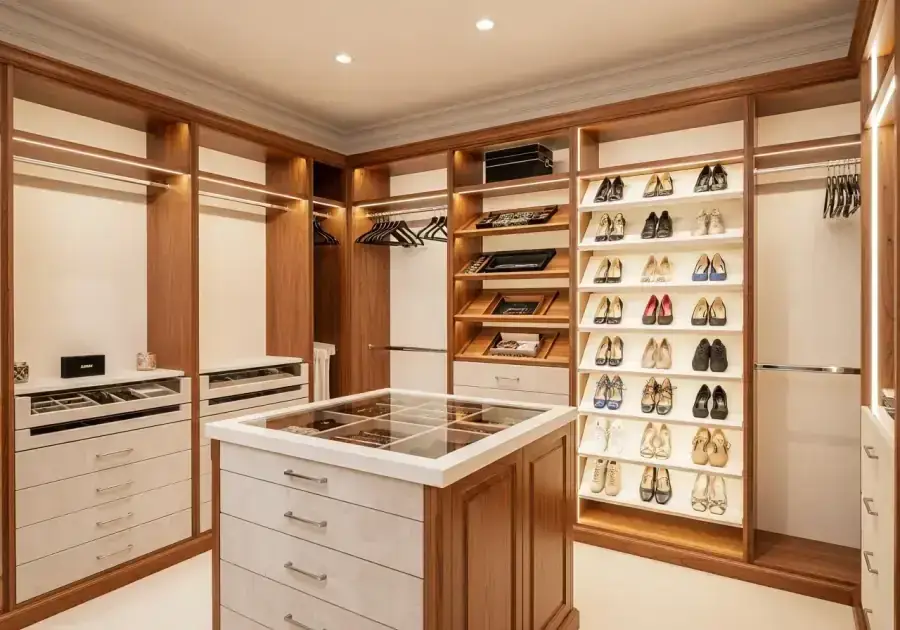
Quad Cities homes with basements have a storage resource that most homeowners under-utilize. The basement becomes the default destination for anything without a better home — resulting in a disorganized accumulation that is difficult to navigate and effectively removes the basement from useful function.
Here is how to organize a basement storage area properly.
Step 1: Complete Categorization
A basement storage area cannot be organized without knowing what it contains. The first step is a complete audit — pulling everything out and sorting into categories.
Typical basement storage categories:
- Holiday and seasonal items
- Overflow household supplies
- Archived documents and files
- Children's items (outgrown toys, clothing)
- Sporting and recreational equipment
- Tools and hardware overflow
- Project materials
Each category then gets a designated zone in the basement layout.
Step 2: Zone the Basement
With categories identified, assign zones based on:
- Access frequency: most-used items in the most accessible positions
- Item type compatibility: dry goods away from potential moisture, chemicals in closed storage away from paper goods
A typical zone layout: seasonal items on back shelving (accessed twice annually), everyday overflow on front accessible shelving, long-term archive in a dedicated section, sporting equipment on a separate wall.
Step 3: Choose the Right Storage System
For finished basement storage rooms, custom built-in shelving with adjustable shelves provides the most organized result. Shelving designed to the room dimensions eliminates gaps where things pile in corners.
For unfinished basement storage areas, freestanding heavy-duty shelving units — adequately sized for the items being stored — provide organized, accessible storage at lower cost than built-in installation.
Step 4: Elevated Storage for Moisture Protection
Quad Cities basements can experience moisture during heavy rain events. Never store valuable items directly on the floor. Shelving with 6 to 12 inches of clearance from the floor allows air circulation and provides protection from minor moisture events.
Items particularly susceptible to moisture damage — paper, textiles, electronics — should be stored in sealed bins on elevated shelves.
Step 5: Lighting
Basement storage is often poorly lit — which means things get lost even in an organized system because you cannot see them clearly. Adequate lighting (bright enough to read labels on any bin or box in the storage area) is a prerequisite for a functional basement storage system.
Comfort Concepts QCA designs basement storage room built-ins as part of whole-home storage projects. Free consultation at (563) 355-8295.